
Understanding Why Snoring Happens
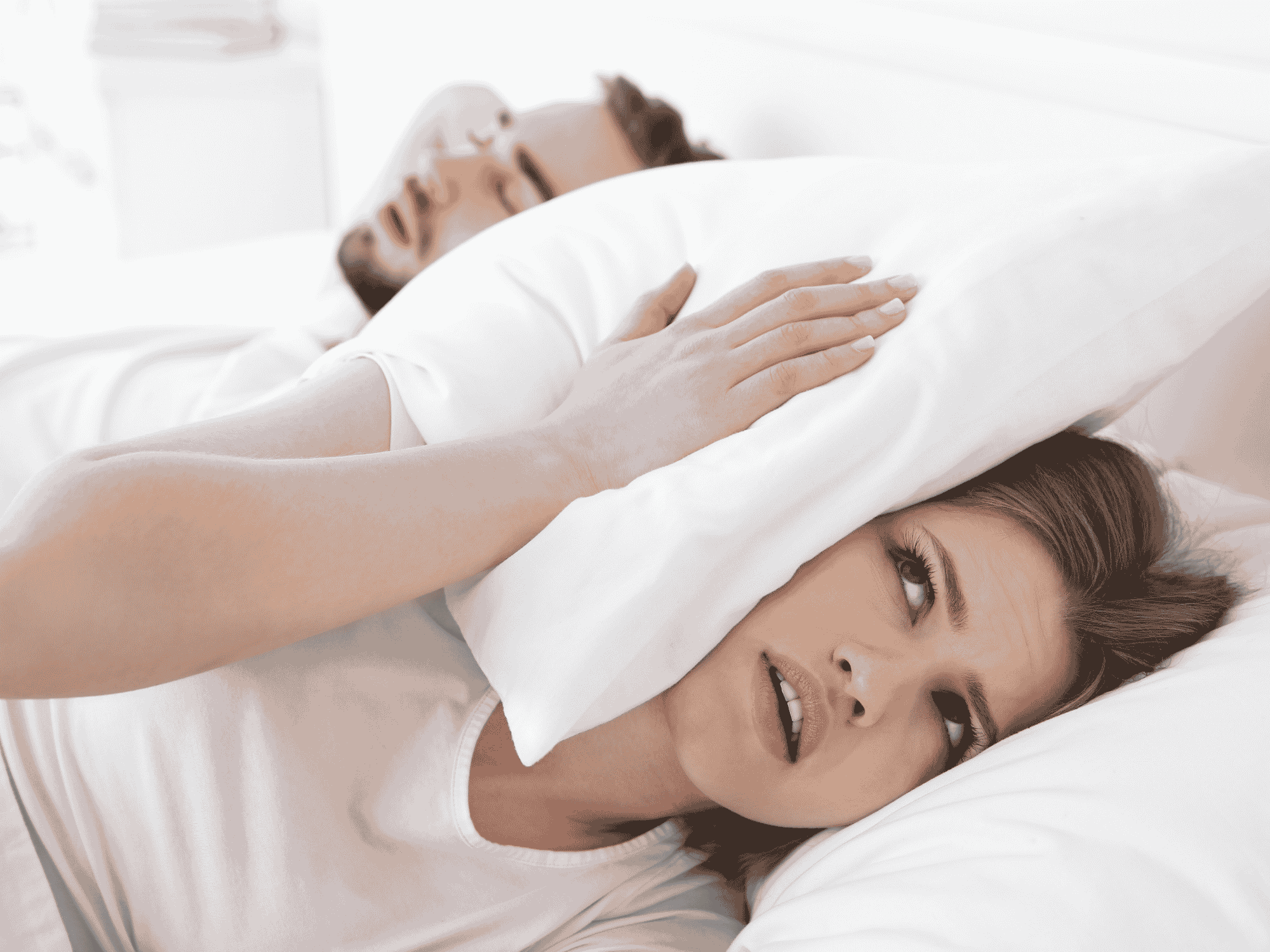
Snoring is one of those problems that affects more than just the person doing it. It can disrupt your own sleep and keep your partner up at night, too. An occasional snore usually isn't a big deal, but frequent or loud snoring can sometimes be a sign that something is interfering with your breathing while you sleep. For the right patients, a snoring oral appliance can help by keeping the airway more open and improving airflow during the night. Knowing how these appliances work and who they're best suited for is a good first step toward finding real relief.
What Causes Snoring?
Snoring happens when air moving through your upper airway causes the surrounding tissues to vibrate. As you fall asleep, the muscles in your throat relax and the airway narrows, which creates that familiar sound. A number of things can make snoring more likely, including sleeping on your back, nasal congestion or allergies, drinking alcohol close to bedtime, carrying extra weight, and the natural shape of your mouth and throat. In some cases, snoring is a symptom of obstructive sleep apnea. Because there are so many possible causes, it's important to figure out what's behind your snoring before deciding how to treat it.
What Is a Snoring Oral Appliance?
A snoring oral appliance is a device you wear in your mouth while you sleep. One of the most common types is called a mandibular advancement device, which gently holds your lower jaw slightly forward to help keep your upper airway open. It may look a bit like a mouth guard, but it works differently. A standard night guard protects your teeth from grinding, while a snoring appliance is designed specifically to change the position of your jaw and reduce the airway narrowing that leads to snoring.
How Does an Oral Appliance Reduce Snoring?
When you fall asleep, the muscles around your airway naturally relax. For some people, that allows the tongue and nearby tissues to shift backward and narrow the space air has to pass through. A mandibular advancement appliance holds the lower jaw in a slightly forward position, which helps create more room for airflow and cuts down on the vibrations that cause snoring. For patients who are good candidates, this can reduce how often they snore and how loud it is. That said, results vary from person to person and depend a lot on what's causing the snoring in the first place.
Who May Benefit From an Oral Appliance?
Oral appliance therapy can be a good option for adults who snore but don't have sleep apnea, as well as for some patients who have been diagnosed with obstructive sleep apnea. A custom-fitted appliance may be worth considering if you snore frequently, have already been evaluated for sleep apnea, would prefer a removable device you only wear at night, or have had a hard time using a CPAP machine. Not everyone is a good fit, though. Your overall dental health, how your jaw functions, any existing crowns or bridges, and the severity of any sleep-related breathing problems all play a role in whether this treatment makes sense for you.
Snoring vs. Sleep Apnea: Why the Difference Matters
Not everyone who snores has sleep apnea, but loud or frequent snoring is one of its most common warning signs. Obstructive sleep apnea happens when your breathing is repeatedly blocked, partially or completely, while you sleep. Other signs can include gasping or choking at night, pauses in breathing that a partner notices, morning headaches, and feeling overly tired during the day. Because of this overlap, a dental appliance should never take the place of being checked for sleep apnea. If sleep apnea is a possibility, a medical evaluation and sleep study should come first. From there, a dentist trained in dental sleep medicine can work alongside your physician to decide whether an oral appliance is the right choice.
Why a Custom-Fitted Appliance Matters
You can find snoring devices over the counter, but they usually don't offer the same fit or adjustability as one made by a dental professional. A custom appliance is built around your teeth, your bite, and your specific needs. Proper fitting and regular follow-up visits matter, because oral appliances can sometimes cause temporary jaw soreness, tooth discomfort, changes in saliva, or gradual changes in your bite. Routine checkups give your dentist the chance to make sure the appliance still fits well and to address any issues early.
Can an Oral Appliance Improve Sleep Quality?
Less snoring often means a quieter, more restful night for both you and your partner. For patients with obstructive sleep apnea, a properly prescribed oral appliance may also improve breathing during sleep. However, quieter nights alone don't prove the treatment is working, so follow-up with your physician is important to confirm the appliance is doing its job. The goal is to find a treatment that addresses the real problem and is comfortable enough that you'll actually use it every night.
Finding the Right Solution for Snoring
Frequent snoring shouldn't be brushed off as just an annoying habit. Understanding what's causing it can help you decide whether lifestyle changes, medical treatment, or an oral appliance is the best path forward. For the right patients, a snoring oral appliance offers a simple, removable way to manage snoring and certain sleep-related breathing issues.
Talk to Your Dentist About Snoring
If you or your partner have noticed frequent or loud snoring, it's worth bringing up at your next dental visit or doctor's appointment. Snoring is common, but it can sometimes point to a bigger issue like sleep apnea, and catching it early makes it easier to find the right solution. At Rabalais Dental Centre, we're proud to care for patients and families throughout the Shreveport-Bossier area. If you have questions about your oral health, we're always happy to help.
Sources:
American Academy of Sleep Medicine and American Academy of Dental Sleep Medicine, Clinical Practice Guideline for the Treatment of Obstructive Sleep Apnea and Snoring with Oral Appliance Therapy (2015): https://pmc.ncbi.nlm.nih.gov/articles/4481062
American Academy of Dental Sleep Medicine, Management of Side Effects of Oral Appliance Therapy: https://aadsm.org/journal/special_article_issue_44.php
