
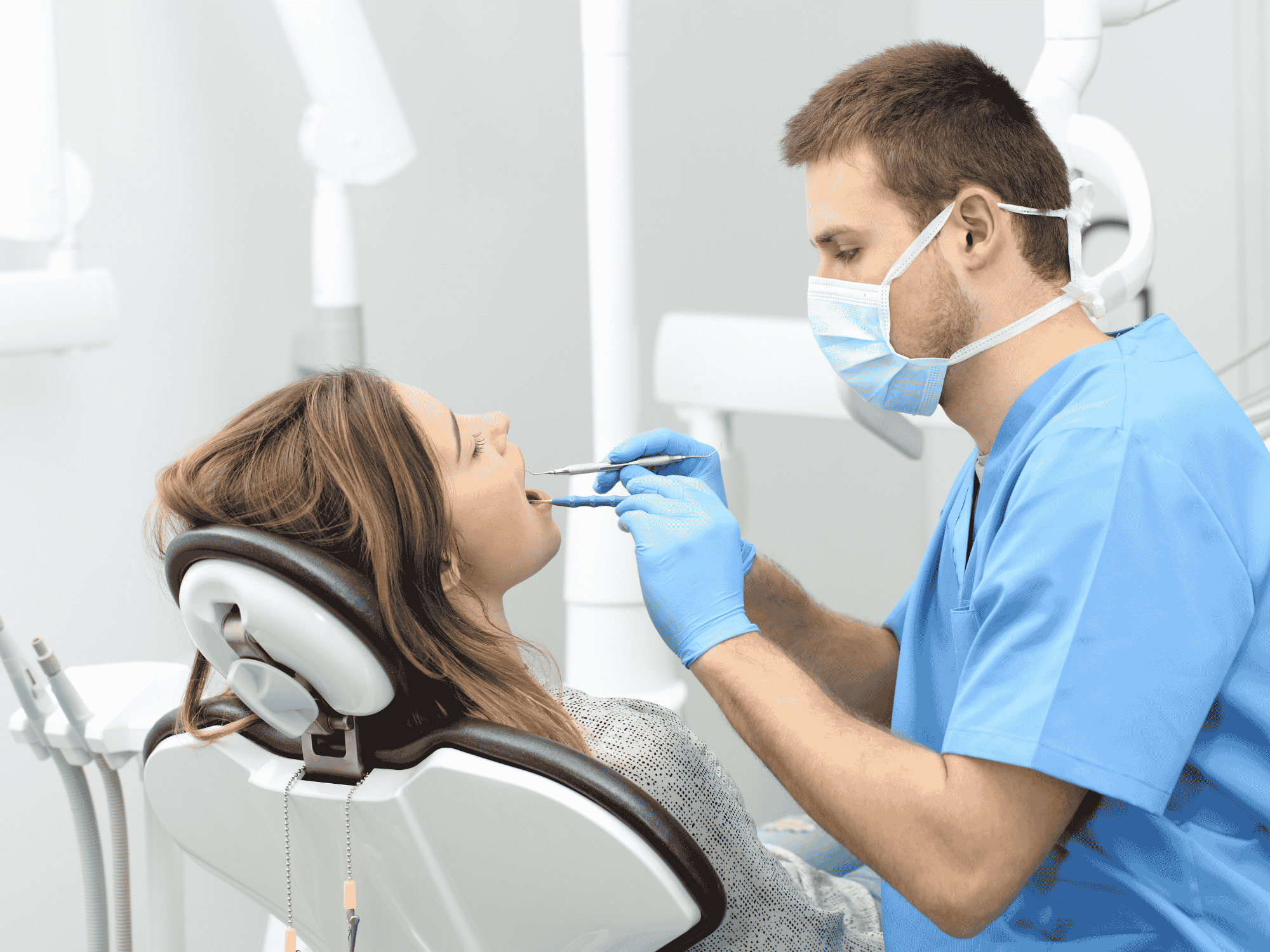
Fillings are one of the most common ways to repair a tooth with a cavity or minor damage. But when the damaged area is larger, a standard filling isn't always the best fit. In those cases, your dentist may recommend dental inlays and onlays. These restorations can rebuild a damaged tooth while saving more of your natural tooth than a full crown would. Knowing how they work can help you feel more confident when talking through your options with your dentist.
What Are Dental Inlays and Onlays?
Dental inlays and onlays are custom-made restorations used to repair teeth that are decayed or damaged. A regular filling is placed and shaped directly inside the tooth during your appointment, but inlays and onlays are usually made outside the mouth to fit your tooth exactly, then bonded into place. They can be made from porcelain, composite resin, or gold. Inlays and onlays do a similar job, but the main difference between them is how much of the tooth they cover.
What Is a Dental Inlay?
A dental inlay fits inside the grooves of a tooth's chewing surface without covering the raised points of the tooth, called cusps. Your dentist may recommend an inlay when the decay or damage is too large for a small filling, but the rest of the tooth is still strong enough to support a more conservative repair. Because an inlay is custom-made, it's designed to fit the prepared area of your tooth precisely.
What Is a Dental Onlay?
A dental onlay covers more of the tooth than an inlay and extends over one or more of the cusps. For that reason, onlays are sometimes called partial crowns. They're often used when the damage reaches beyond the chewing surface and affects one or more of the tooth's raised edges. An onlay can restore the tooth's shape and strength while saving healthy tooth structure that would otherwise need to be removed for a full crown.
How Are Inlays and Onlays Different From Fillings?
Traditional fillings work well for smaller cavities. But when a larger part of the tooth needs to be restored, your dentist may consider whether an inlay, onlay, or crown would be a better choice. Inlays and onlays fill that middle ground. They're a good option when a tooth has too much damage for a regular filling but still has enough healthy structure that it doesn't need a full crown. Depending on your needs, inlays and onlays can offer several advantages over other types of restorations.
Preserving Natural Tooth Structure
One of the biggest benefits of inlays and onlays is that they usually require less reshaping of the tooth than a full crown. Keeping as much of your healthy natural tooth as possible is always a priority in restorative dentistry, and these restorations help make that possible.
Restoring Chewing Function
A damaged molar can make chewing uncomfortable and put extra stress on the healthy parts of the tooth that remain. A well-designed inlay or onlay rebuilds the chewing surface so your tooth can work the way it should again. Tooth-colored materials like porcelain and composite resin can be matched to the shade of your surrounding teeth. That makes inlays and onlays a great option if you want a restoration that blends in naturally with your smile.
When they're properly placed and cared for, inlays and onlays can last for many years. How long yours lasts depends on things like the material used, where the tooth is in your mouth, how hard you bite, your daily brushing and flossing habits, and whether you grind or clench your teeth.
What Happens During the Procedure?
The process usually starts with an exam to evaluate the damaged tooth. If an inlay or onlay is the right choice, your dentist will remove the decay or damaged material and prepare the tooth. Next, they'll take an impression or digital scan so the restoration can be made to fit your tooth exactly. Depending on the materials and technology your dentist uses, the inlay or onlay may be finished the same day, or it may be made in a dental lab. If a lab makes it, you'll usually wear a temporary restoration until your second visit. Once it's ready, your dentist will fit it, bond it to your tooth, and make any adjustments needed so your bite feels comfortable.
How Do You Care for an Inlay or Onlay?
Caring for an inlay or onlay is a lot like caring for your natural teeth. Brush twice a day, floss regularly, and keep up with your routine dental visits. Try to avoid chewing ice or using your teeth to open packages, since too much force can damage both your natural teeth and your restorations. If you grind or clench your teeth, especially at night, talk to your dentist about ways to protect your teeth and your restoration.
Are Inlays and Onlays Right for Everyone?
Not every damaged tooth is a good candidate for an inlay or onlay. How much healthy tooth structure is left, where the damage is located, how much force your bite puts on the tooth, and your overall oral health all play a part in what your dentist recommends. Some teeth may be better off with a traditional filling, while others may need a crown or a different type of restoration.
Restore Your Tooth With the Right Treatment
When a tooth needs more than a small filling, dental inlays and onlays can be a great way to restore its strength, function, and appearance while keeping as much of your natural tooth as possible. At Rabalais Dental Centre, we help patients throughout Shreveport and Bossier City find the restorative treatment that fits their needs. Contact our office today to schedule a dental evaluation.
Sources:
Cleveland Clinic, Dental Fillings: https://my.clevelandclinic.org/health/treatments/17002-fillings
Cleveland Clinic, Restorative Dentistry: https://my.clevelandclinic.org/health/articles/dental-restorations
