
Gum Recession: Causes, Symptoms, and Treatment Options
What Is Gum Recession?
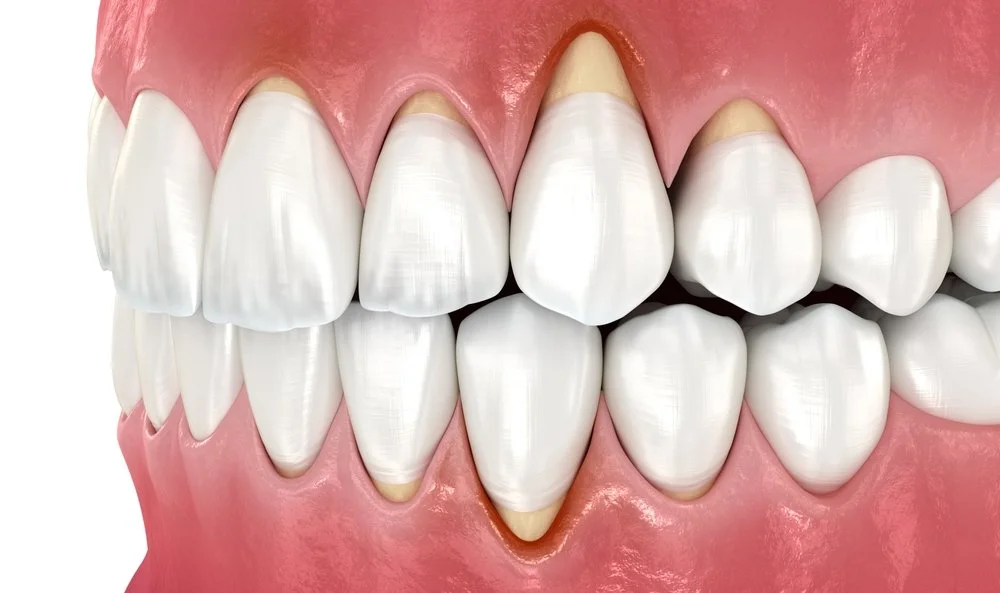
Gum recession occurs when the gum tissue surrounding a tooth pulls away or wears down, exposing more of the tooth or its root. It can develop gradually, which means some patients may not realize their gums are receding until they begin experiencing sensitivity or notice changes in their smile. Gum recession treatment depends on what is causing the problem and how much tissue has been affected. Identifying recession early can help protect exposed tooth roots and prevent additional damage.
What Causes Receding Gums?
Several factors can contribute to gum recession. Gum disease is one common cause because inflammation and infection can damage the tissues supporting the teeth. Brushing too aggressively or using a toothbrush with firm bristles may also contribute to gum tissue wearing away over time. Other possible factors include teeth grinding or clenching, tobacco use, genetics, and changes in tooth position. Because there are multiple potential causes, a dental examination is important for determining why recession is occurring before choosing the appropriate gum recession treatment.
What Are the Signs of Gum Recession?
One of the most noticeable signs of gum recession is a tooth that appears longer than it once did. Patients may also see or feel a small notch near the gumline where the tooth root has become exposed. Other symptoms can include sensitivity to hot, cold, or sweet foods and tenderness around the gums. Changes in gum color, bleeding, or swelling may also occur when gum disease is present. Some cases develop slowly without obvious symptoms, making routine dental examinations important for early detection.
Why Exposed Tooth Roots Need Protection
The roots of your teeth are not protected by enamel in the same way as the visible crowns. When gum tissue recedes and exposes the root surface, the tooth can become more sensitive and vulnerable to decay.
Recession can also create areas where plaque and bacteria are more difficult to remove. If the underlying cause is not addressed, the condition may continue to progress and affect the supporting structures around the tooth. Early gum recession treatment can help manage these risks and protect long-term oral health.
How Is Gum Recession Treated?
Treatment depends on the severity and cause of the recession. Mild cases may be managed by improving brushing techniques, using a softer toothbrush, and addressing habits that place unnecessary pressure on the teeth and gums. If gum disease is contributing to the problem, periodontal treatment such as scaling and root planing may be recommended to remove bacteria and tartar from beneath the gumline.
More advanced recession may require additional periodontal procedures. In certain cases, gum grafting may be recommended to cover exposed roots and restore protective gum tissue. A dentist can determine which gum recession treatment is appropriate after evaluating the gums, teeth, and supporting structures.
Can Gum Recession Be Prevented?
Not every case of gum recession can be prevented, but good oral hygiene and regular dental care can reduce many common risk factors. Brush gently with a soft-bristled toothbrush, floss consistently, and attend routine dental exams and cleanings. Patients who grind or clench their teeth should also discuss the habit with their dentist, as a night guard or other treatment may help reduce excessive pressure. Addressing gum disease early is particularly important for preventing additional damage to the tissues supporting the teeth.
Protecting Your Gums and Your Smile
Gum recession is more than a cosmetic concern. Exposed roots can cause sensitivity, increase the risk of decay, and indicate underlying problems with the health of the gums. The right gum recession treatment begins with determining why the gums are receding. Early evaluation and appropriate care can help protect the teeth, manage sensitivity, and support healthier gums for the future.
