
What Causes Persistent Bad Breath Even After Brushing?
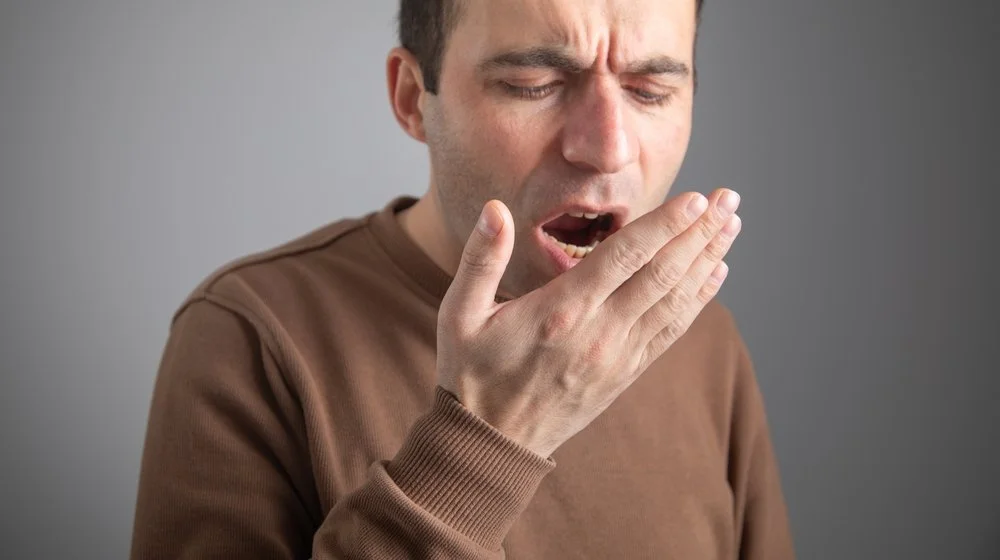
Why Does Bad Breath Sometimes Continue After Brushing?
Brushing your teeth is an important part of maintaining fresh breath, but it does not always address the source of persistent bad breath. When an unpleasant odor continues despite regular brushing, there may be bacteria or another oral health issue that needs attention. Occasional bad breath is common, especially after eating certain foods. Bad breath that regularly returns or does not improve with good oral hygiene may require professional evaluation. The right chronic bad breath treatment begins with identifying what is causing the problem.
Bacteria Can Hide Beyond the Tooth Surfaces
Brushing primarily cleans the surfaces of your teeth, but odor-causing bacteria can collect in other areas of the mouth. Plaque and food particles may remain between teeth, along the gumline, and on the tongue. Flossing helps clean areas a toothbrush cannot easily reach, while gently cleaning the tongue can remove additional bacteria and debris. If plaque hardens into tartar, however, brushing and flossing at home cannot remove it. A professional dental cleaning may be needed.
Gum Disease Can Contribute to Chronic Bad Breath
Persistent bad breath can sometimes be a sign of gum disease. As bacteria collect beneath the gumline, inflammation can develop, and pockets may form around the teeth. These areas can trap additional bacteria and become difficult to clean at home. Other possible signs of gum disease include red or swollen gums, tenderness, gum recession, and bleeding during brushing or flossing. When periodontal disease is responsible, chronic bad breath treatment may include professional cleaning or additional periodontal care to address bacteria below the gumline.
Dry Mouth May Be Part of the Problem
Saliva naturally helps rinse away food particles and bacteria. When saliva production decreases, odor-causing bacteria can accumulate more easily. Dry mouth may occur because of dehydration, certain medications, mouth breathing, tobacco use, or other factors. Some people also experience dry mouth while sleeping, which can contribute to noticeable morning breath. Drinking water regularly and discussing persistent dry mouth with your dentist can help determine whether it is contributing to ongoing bad breath.
Dental Problems Can Create Odor
Untreated cavities, damaged teeth, infections, and poorly fitting dental restorations may create areas where bacteria and food particles collect. Because some dental problems do not cause significant pain in their early stages, bad breath may be one of several signs that something needs attention. A dental examination can help identify decay, infection, or other concerns that may not be visible at home.
Diet and Daily Habits Can Affect Your Breath
Certain foods and beverages can temporarily affect breath, including garlic, onions, coffee, and some strongly flavored foods. Tobacco products can also contribute to persistent odor while increasing the risk of other oral health problems. Regular water intake, consistent oral hygiene, and reducing habits that contribute to dry mouth or bacterial buildup may improve breath in some cases.
When Should You See a Dentist About Bad Breath?
If bad breath continues despite brushing twice daily, flossing, cleaning your tongue, and staying hydrated, it may be time for a dental evaluation. Your dentist can examine the teeth and gums for signs of decay, gum disease, infection, dry mouth, or other potential causes. If the source does not appear to be dental, further medical evaluation may be recommended.
Finding the Source of Persistent Bad Breath
Covering bad breath with mints or mouthwash may provide temporary relief, but persistent odor often requires addressing its underlying cause. Professional chronic bad breath treatment depends on what is contributing to the problem. With a dental examination, appropriate treatment, and consistent home care, many causes of persistent bad breath can be effectively managed.
