
What Is Enamel Erosion and Can It Be Reversed?
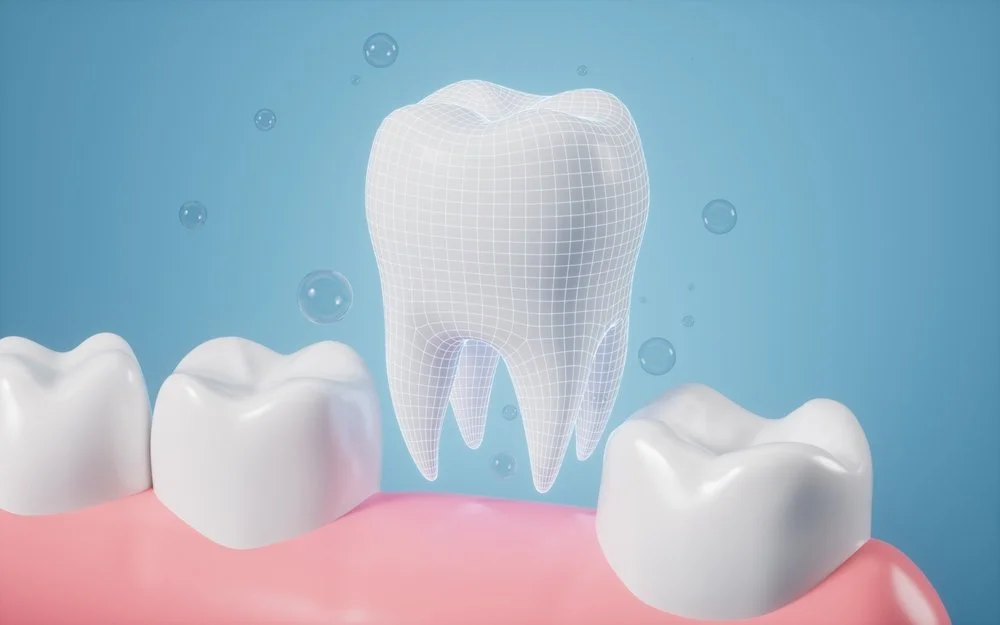
Tooth enamel is the hard, outer layer of your teeth that protects them from damage. Over time, that protective layer can begin to wear away due to acid exposure, poor habits, or certain health conditions. This damage is known as enamel erosion. Once enamel is worn down, it cannot grow back, making prevention extremely important.
According to Colgate, “Enamel erosion is the loss of tooth enamel, the hard, protective coating that covers the tooth” (Colgate). When this erosion occurs, teeth may become more sensitive, appear more yellow as the underlying dentin shows through, and become more vulnerable to chips, cracks, and cavities.
Common causes of enamel erosion include frequent consumption of acidic foods and drinks, such as soda, citrus fruits, sports drinks, and wine. Acid reflux, frequent vomiting caused by certain medical conditions, dry mouth, and aggressive brushing can also contribute to enamel breakdown. Even seemingly harmless habits, like sipping lemon water throughout the day, can slowly weaken enamel over time.
Because enamel does not regenerate, erosion cannot be truly reversed. However, the good news is that further damage can be prevented, and the effects can often be managed. Fluoride treatments can help strengthen the remaining enamel, and dental bonding or veneers can protect and improve the appearance of damaged teeth. Switching to a soft-bristled toothbrush, using fluoride toothpaste, drinking water after acidic foods, and waiting at least 30 minutes before brushing after consuming acids can also help limit ongoing erosion.
The American Dental Association explains the importance of protecting enamel and practicing good daily care to prevent further damage. Maintaining consistent dental visits allows your dentist to identify early signs of erosion and recommend steps to preserve what remains.
Taking action at the first signs of enamel erosion can make a significant difference in long-term oral health. With smart habits, professional care, and early intervention, you can protect your teeth and maintain a healthy, confident smile.
Sources
Colgate
https://www.colgate.com
American Dental Association
https://www.ada.org
