
When Should Children Start Brushing Their Own Teeth?
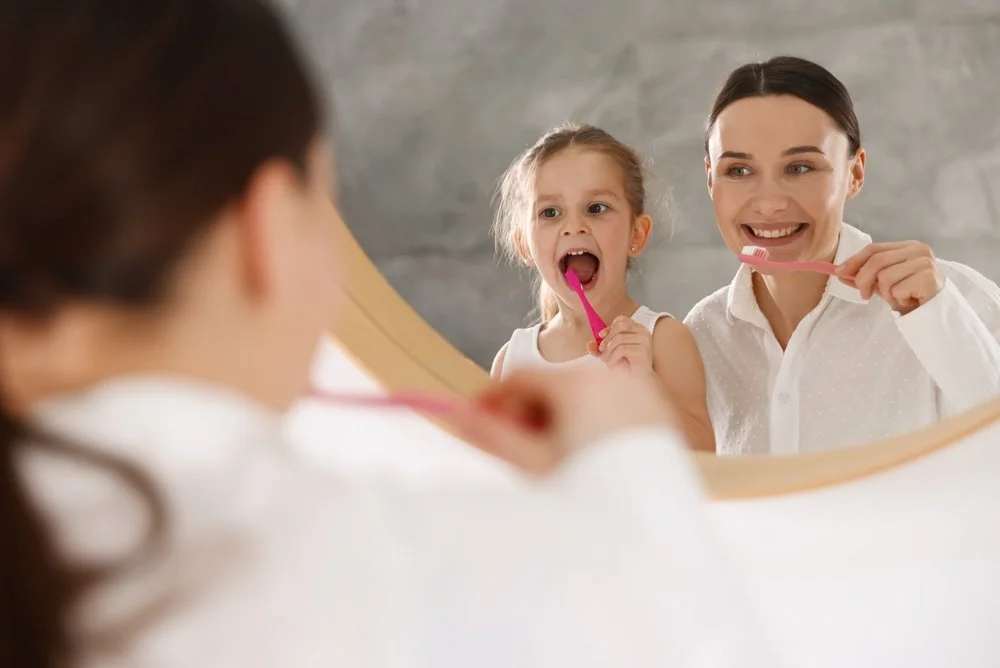
Learning to Brush Takes Time
Learning to brush independently is an important milestone, but being able to hold a toothbrush does not necessarily mean a child is ready to clean their teeth without help. Good children’s brushing habits develop gradually. Parents can encourage independence while continuing to supervise and assist until a child has the coordination and consistency needed to brush effectively.
Start Brushing When the First Tooth Appears
Dental care begins before children are old enough to brush for themselves. Once the first tooth appears, parents can begin brushing it with a soft, age-appropriate toothbrush and the recommended amount of fluoride toothpaste. As more teeth erupt, brushing twice a day becomes part of the child’s regular routine. Introducing brushing early can help children become familiar with dental care before they are expected to take responsibility for it themselves.
Let Young Children Practice
Toddlers and preschoolers often want to do things independently, including brushing their teeth. Allowing them to practice can help build confidence and make brushing feel like a normal part of the day. However, young children generally do not have the fine motor skills needed to thoroughly clean every tooth. One approach is to let the child brush first and then have a parent finish the job. This gives the child an opportunity to practice without sacrificing a thorough cleaning.
Age Is Not the Only Factor
There is no single birthday when every child suddenly becomes ready to brush completely independently. Parents should consider the child’s coordination, attention to detail, and ability to follow a consistent routine. A child may understand how to brush but still rush through the process or repeatedly miss certain areas. Many children continue to need help or supervision into the early elementary years and sometimes longer.
Watch the Technique, Not Just the Timer
Brushing for the recommended amount of time is important, but two minutes of incomplete brushing may still leave plaque behind. Children need to learn to clean the front, back, and chewing surfaces of their teeth as well as areas near the gumline. Parents can occasionally watch them brush and check whether they are consistently reaching every area. Developing strong children’s brushing habits is about learning good technique as well as creating a routine.
Do Not Forget About Flossing
Brushing cannot effectively clean every area between the teeth. Once neighboring teeth begin touching, flossing becomes an important part of oral hygiene. Young children will generally need an adult’s help with flossing. As their coordination improves, they can gradually begin learning how to do it themselves. Your child’s dental team can demonstrate brushing and flossing techniques appropriate for their age.
Make Independence a Gradual Transition
Instead of suddenly handing over responsibility for dental care, parents can make the transition gradually. Let children take the lead while an adult checks their work. Over time, they can assume more responsibility as their technique and consistency improve. Even after children begin brushing independently, occasional supervision can help prevent rushed brushing and reinforce good habits.
Build Habits That Can Last Into Adulthood
The goal is not simply to get children brushing on their own as quickly as possible. It is to teach them how to care for their teeth correctly and consistently. Strong children’s brushing habits developed early can create a foundation for better oral hygiene as they grow. Regular dental visits can also help parents determine when their child is ready for more independence and identify areas where they may still need assistance.
