
Why a Root Canal May Need a Dental Crown
What Happens to a Tooth After a Root Canal?
Root canal treatment is used to save a tooth when the pulp inside becomes infected or severely damaged. During the procedure, the affected tissue is removed, the inside of the tooth is cleaned and disinfected, and the area is sealed to help prevent further infection. While a root canal can preserve the natural tooth, the tooth may be more vulnerable to damage afterward. Depending on its condition and location, placing a crown after root canal treatment may be recommended to restore strength and protect the tooth for the future.
Why Can a Root Canal Tooth Become More Fragile?
Teeth that need root canal treatment have often already experienced significant decay, a large filling, a crack, or another type of damage. This means there may be less healthy tooth structure remaining by the time the root canal is completed.
Without enough natural structure, everyday pressure from biting and chewing can increase the risk of the tooth cracking or breaking.
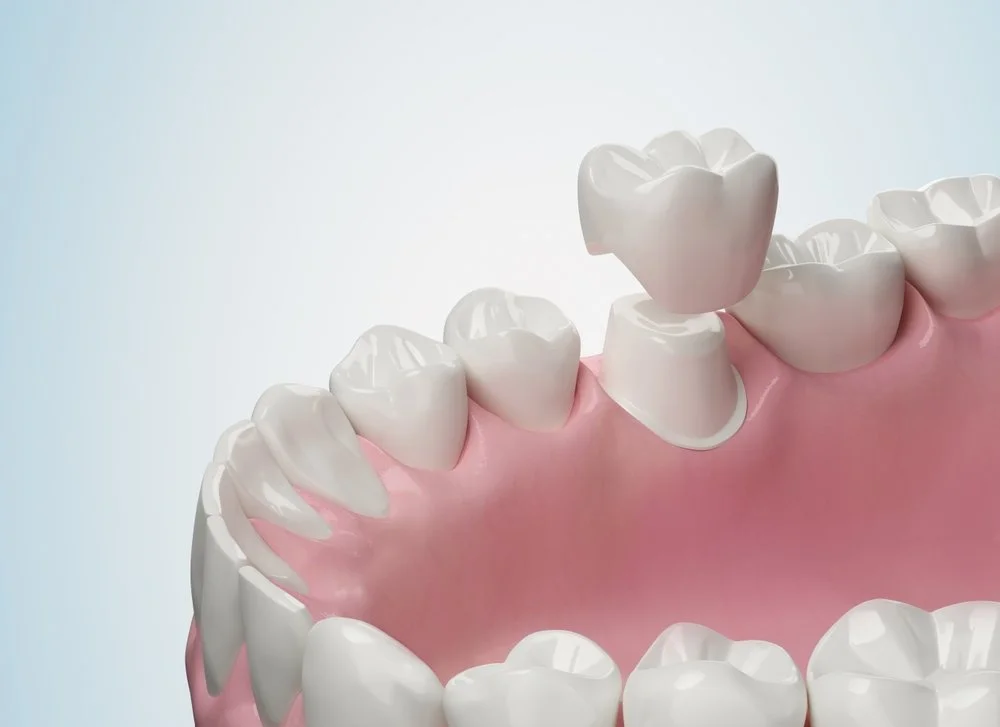
A dental crown covers the visible portion of the tooth, providing additional protection and helping distribute biting forces more evenly.
Does Every Root Canal Need a Crown?
Not every tooth automatically requires a crown after root canal treatment. The recommendation depends on several factors, including which tooth was treated, how much healthy structure remains, and the amount of pressure the tooth experiences. Molars and premolars generally handle significant chewing forces, so crowns are commonly recommended after root canals on these teeth. Front teeth may not always require crowns if enough healthy tooth structure remains. A dentist can evaluate the individual tooth and determine which restoration provides the appropriate protection.
How Does a Dental Crown Protect the Tooth?
A dental crown acts like a protective covering for the remaining natural tooth. It can restore the tooth’s shape and function while reinforcing areas that have been weakened by decay, damage, or previous dental work. Placing a crown after root canal treatment can also help reduce the risk of fractures that could compromise the tooth. Protecting the remaining structure is especially important because a severe crack may make the tooth difficult or impossible to save.
What Happens When a Crown Is Placed?
Before placing a dental crown, the tooth is prepared so the restoration can fit securely over it. An impression or digital scan may be taken to create a crown designed to match the patient’s bite and surrounding teeth. A temporary crown may be used while the permanent restoration is being made. Once the final crown is ready, the dentist checks its fit and bite before securing it in place. The result is a restored tooth designed to function comfortably during everyday biting and chewing.
Caring for a Crown After Root Canal Treatment
A crowned tooth still requires regular oral hygiene. Brushing twice daily, flossing around the crown, and attending routine dental exams can help protect both the restoration and the surrounding gums. Patients should also avoid habits such as chewing ice or biting hard objects that can damage natural teeth and dental restorations. Patients who grind or clench their teeth may benefit from additional protection, such as a custom night guard.
Protecting Your Natural Tooth for the Long Term
The purpose of root canal treatment is to preserve a natural tooth that might otherwise need to be removed. Restoring that tooth properly afterward is an important part of protecting the treatment. When recommended, a crown after root canal treatment can strengthen the remaining tooth, restore normal function, and help protect it from future damage. Your dentist can determine whether a crown is appropriate based on the location and condition of the treated tooth.
