
Why Permanent Teeth Sometimes Grow in Behind Baby Teeth
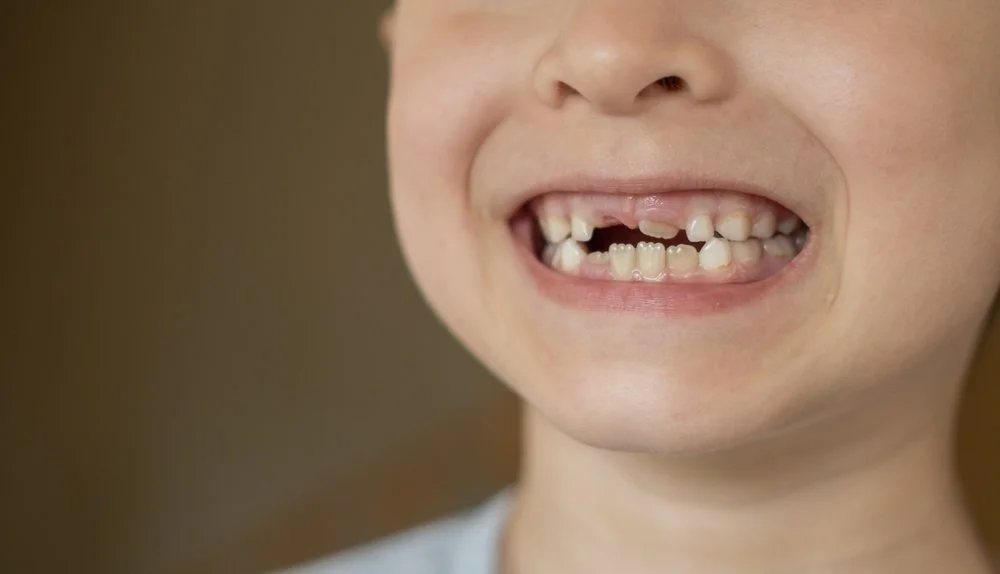
When a New Tooth Appears Before the Baby Tooth Is Gone
Parents sometimes notice something unexpected when checking their child’s teeth: a permanent tooth has started growing in behind a baby tooth that is still firmly in place. This is commonly nicknamed shark teeth in children because the two rows of teeth can temporarily resemble a shark’s smile. It can look concerning, but it is a relatively common situation during the transition from primary to permanent teeth.
Why Does This Happen?
Normally, a developing permanent tooth puts pressure on the root of the baby tooth above it. The root gradually dissolves, allowing the baby tooth to loosen and fall out before the permanent tooth emerges. Sometimes the permanent tooth follows a slightly different path and begins erupting behind the baby tooth instead. Because it is not directly underneath the baby tooth, the root may not dissolve as quickly. The permanent tooth can then become visible while the primary tooth remains in place.
Where Are Shark Teeth Most Common?
Shark teeth in children are frequently noticed around the lower front teeth when children begin losing their first baby teeth. Parents may see a permanent tooth emerging on the tongue side of the existing row of teeth. They can also occur in other areas of the mouth, which is why regular dental examinations are helpful while children are transitioning to their permanent teeth.
Will the Baby Tooth Still Fall Out?
In many cases, the baby tooth will continue becoming loose and eventually fall out naturally. Once it is gone, pressure from the tongue and normal development may help the permanent tooth gradually move toward a more appropriate position. However, every situation is different. How loose the baby tooth is, the position of the permanent tooth, and the amount of available space can all influence what happens next.
Should Parents Pull the Baby Tooth?
Parents should avoid forcing out a baby tooth that is not ready to come out. If it is already very loose, gentle wiggling may encourage the natural process. If the tooth remains firmly attached while the permanent tooth continues to emerge, it is a good idea to have a dentist evaluate the area. In some cases, the dentist may recommend removing the retained baby tooth to create room for the permanent tooth.
Does This Mean My Child Will Need Braces?
Seeing a permanent tooth erupt out of alignment does not automatically mean a child will need orthodontic treatment. Children’s mouths continue to grow, and tooth positions can change considerably as additional primary teeth are lost and permanent teeth emerge. A dentist can monitor the development of the child’s bite and recommend an orthodontic evaluation if there are concerns about crowding, alignment, or available space.
When Should You Contact the Dentist?
Schedule an evaluation if the baby tooth does not appear to be loosening, the permanent tooth continues to erupt significantly behind it, your child experiences pain or swelling, or you are concerned about the amount of space available. Your dentist can determine whether the area simply needs to be monitored or whether treatment may be beneficial.
Do Not Panic Over a Second Row of Teeth
Discovering what looks like a second row of teeth can certainly catch a parent by surprise. Fortunately, shark teeth in children are often simply part of the transition between baby teeth and permanent teeth. Keeping up with regular dental visits gives your child’s dentist an opportunity to monitor how the permanent teeth are coming in and address potential problems when necessary.
