
Dental Crowns: When Are They Needed and How Long Do They Last?
What Is a Dental Crown?
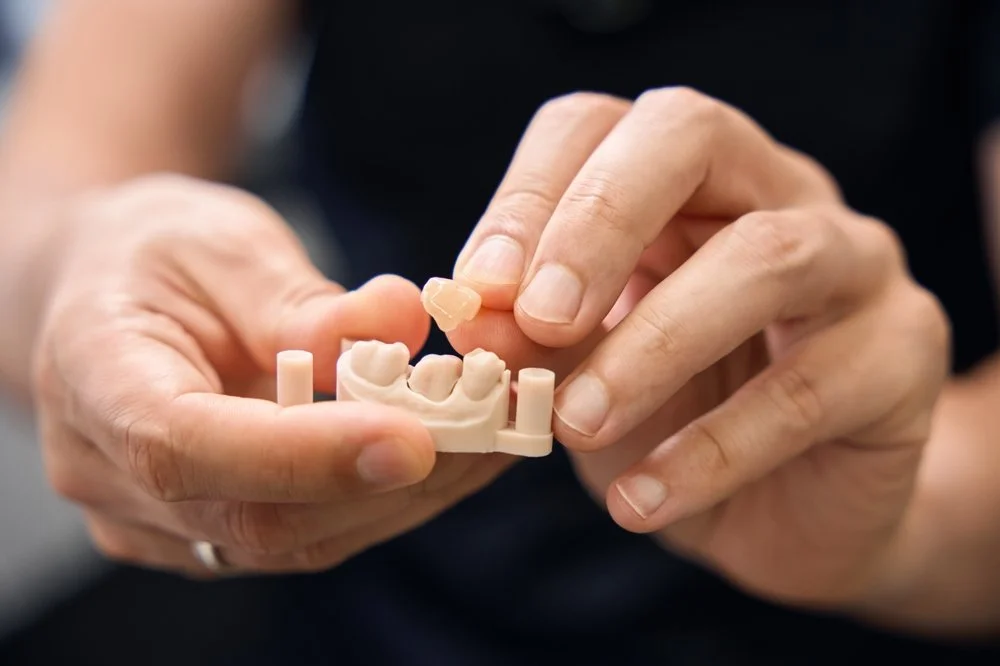
A dental crown is a custom restoration that covers and protects a damaged or weakened tooth. It restores the tooth’s shape, strength, and function while helping improve its appearance. Dental crowns are commonly used when a filling is not enough to repair the tooth. They can be made from materials such as porcelain, ceramic, metal, or a combination of materials, depending on the location of the tooth and the patient’s needs.
When Are Dental Crowns Needed?
Dental crowns may be recommended for several reasons. A tooth with a large cavity may not have enough healthy structure remaining to support a filling. In these cases, a crown can help hold the tooth together and protect it from further damage. Crowns are also commonly placed after root canal treatment because the tooth may become more fragile. They can cover cracked or worn teeth, restore broken teeth, and support a dental bridge. A crown may also be attached to a dental implant to replace a missing tooth. In some cases, dental crowns are used to improve the shape, size, or color of teeth as part of a cosmetic treatment plan.
What Happens During the Crown Process?
The tooth is first prepared by removing damaged areas and shaping it so the crown can fit securely. An impression or digital scan is then taken to create a restoration that matches the patient’s bite and surrounding teeth. A temporary crown may be placed while the permanent crown is being made. Once the final restoration is ready, the dentist checks the fit, appearance, and bite before bonding it into place.
How Long Do Dental Crowns Last?
The lifespan of dental crowns varies based on the material, location, oral hygiene habits, and amount of daily wear. Many crowns last for several years and can remain functional much longer when properly maintained. Brushing twice a day, flossing around the crown, and attending regular dental exams can help extend its lifespan. Patients should also avoid chewing ice, biting hard objects, or using their teeth to open packages. Grinding or clenching can place extra pressure on dental crowns. A custom night guard may be recommended to protect both the crown and the surrounding teeth.
Signs a Crown May Need Attention
A crown should be evaluated if it feels loose, causes pain while chewing, or develops sensitivity around the tooth. A chipped crown, changes in the bite, or a dark line near the gumline may also indicate that an examination is needed. Regular dental visits allow the dentist to monitor the condition of dental crowns and identify concerns before they become more serious.
Dental crowns can strengthen vulnerable teeth, restore comfortable chewing, and help prevent additional damage. With proper care and routine dental visits, they can provide a durable solution for protecting long-term oral health.
