
How to Tell If a Cracked Tooth Needs Treatment
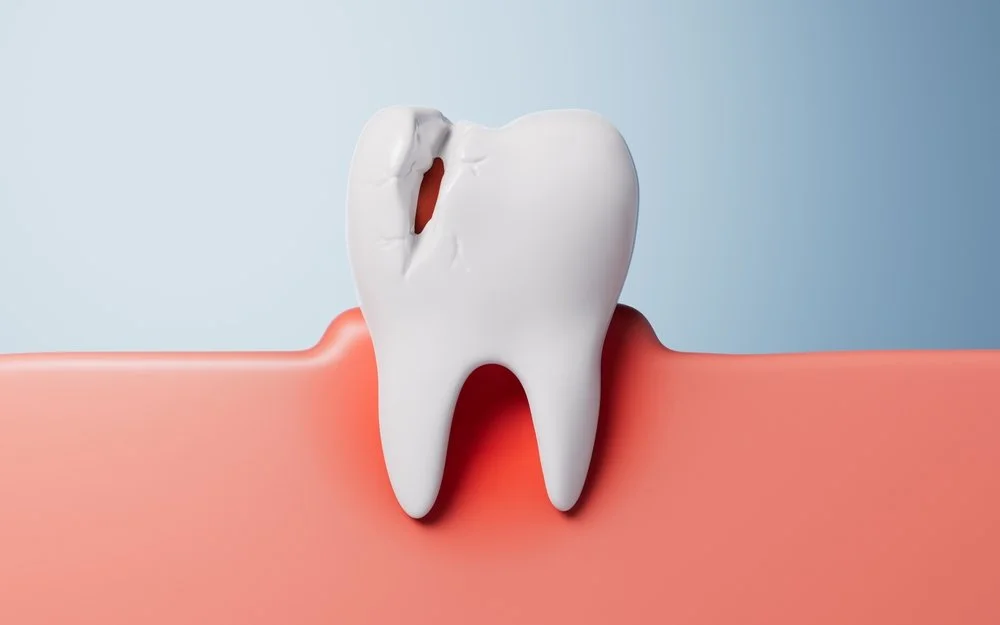
Recognizing the Signs of a Cracked Tooth
A cracked tooth is not always easy to identify. Some cracks are visible, while others are too small to see without a professional dental examination. Symptoms may also come and go, making it tempting to ignore the problem. Common warning signs include pain when biting or chewing, sensitivity to hot or cold temperatures, discomfort when releasing your bite, and swelling around the affected tooth. Because these symptoms can have several causes, a dentist should evaluate the tooth and determine whether cracked tooth treatment is necessary.
Why Cracked Teeth Should Not Be Ignored
A crack does not heal on its own. Without treatment, it may continue to spread and weaken the tooth. Bacteria can also enter through the damaged area and reach the soft tissue inside the tooth, potentially leading to inflammation, infection, or an abscess. Seeking cracked tooth treatment early may help preserve more of the natural tooth and prevent the need for more extensive dental work. Even minor or occasional discomfort should be evaluated before the damage becomes more serious.
What Causes Teeth to Crack?
Teeth can crack for several reasons. Biting down on hard foods, chewing ice, grinding or clenching the teeth, and experiencing an injury to the mouth can all damage a tooth. Large fillings may also leave less natural tooth structure behind, making the tooth more vulnerable to cracking. Normal wear can affect tooth strength over time as well. A cracked tooth may develop suddenly after an accident or gradually from repeated pressure.
How Cracked Tooth Treatment Is Determined
The right cracked tooth treatment depends on the location, depth, and severity of the damage. Minor cracks that affect only the outer enamel may require monitoring or a conservative repair. Dental bonding or a filling may be appropriate for certain damaged teeth. A dental crown may be recommended when a tooth needs additional strength and protection. If the crack reaches the tooth’s pulp, root canal treatment may be needed before the crown is placed. Teeth with severe cracks extending below the gumline may not be repairable and could require extraction.
Protecting the Tooth Until Your Appointment
Until the tooth can be examined, avoid chewing hard or sticky foods on that side of your mouth. Rinse gently with warm water and use a cold compress if swelling develops. Do not place aspirin directly against the tooth or gums. Prompt evaluation is the best way to determine the severity of the damage. Cracked tooth treatment can relieve discomfort, protect the remaining tooth structure, and reduce the risk of future complications.
Sources: American Association of Endodontists: Cracked Teeth American Dental Association: Dental Emergencies
