
The Long-Term Effects of Not Replacing Missing Teeth
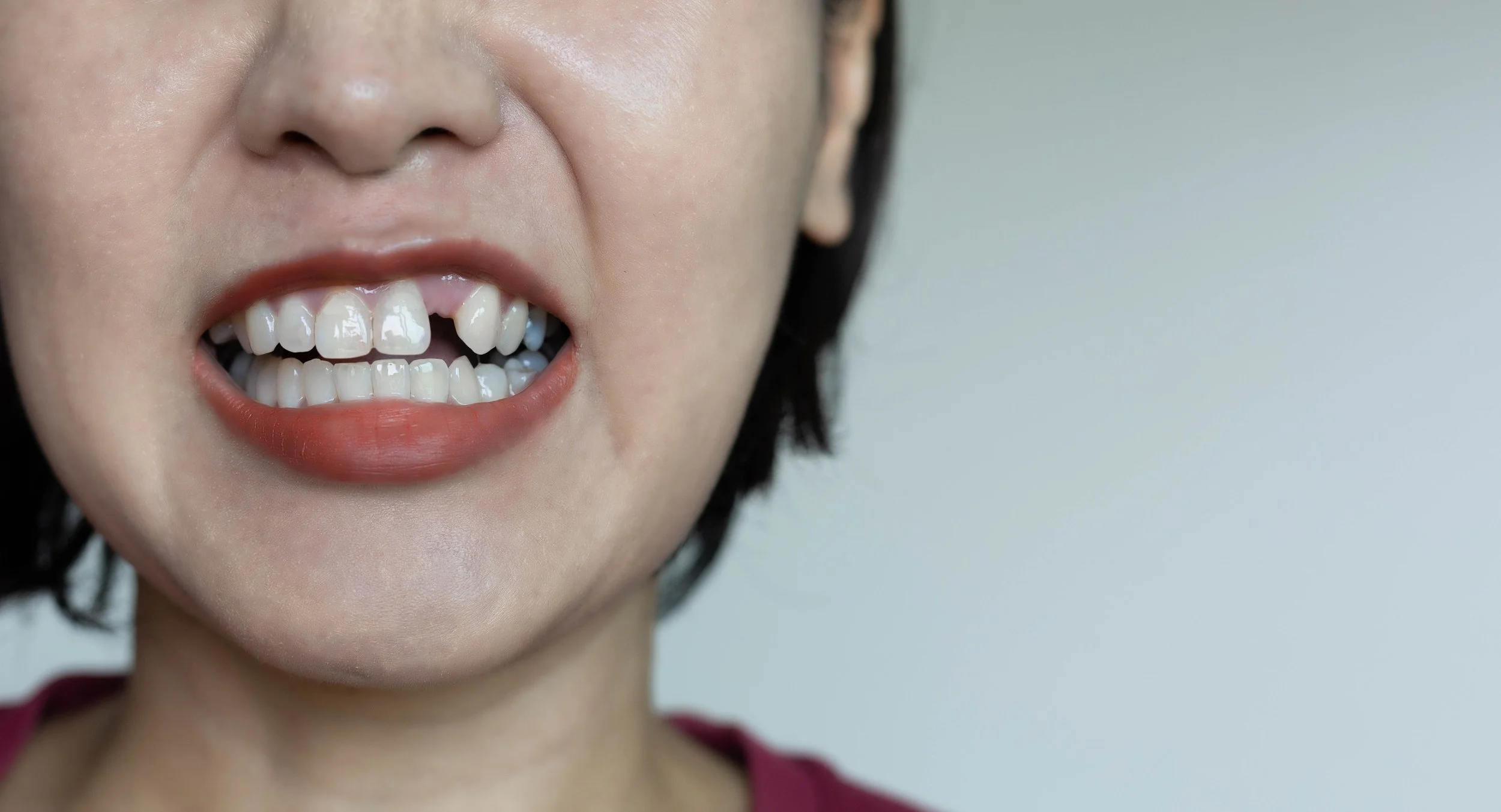
When a tooth is lost, many people assume that the most significant impact is cosmetic. While appearance is undoubtedly affected, the long-term consequences of leaving missing teeth unreplaced go far beyond the way your smile looks. Over time, one missing tooth can trigger a chain reaction that affects your bite, jawbone, neighboring teeth, and even your overall health.
According to the American Dental Association, “If missing teeth are not replaced, the remaining teeth can shift and tilt into the empty spaces” (ADA). When this happens, your bite can become misaligned. This may lead to uneven wear on other teeth, jaw pain, headaches, and difficulty chewing properly. Over time, an unbalanced bite can strain the jaw joint, making simple tasks like eating and speaking more uncomfortable.
Another significant effect of missing teeth is bone loss. The roots of your teeth stimulate the jawbone and keep it strong. When a tooth is gone, the bone in that area no longer receives stimulation and begins to break down. As bone loss continues, the face can start to appear sunken or aged, and it may become more difficult to place dental implants in the future without additional procedures. This is one of the main reasons dentists stress the importance of early replacement rather than waiting years to address the problem.
Missing teeth can also impact your ability to chew a balanced, nutritious diet. People who avoid certain foods because they are too complicated or uncomfortable to eat may miss out on essential nutrients. This can affect overall health, digestion, and energy levels. Speech can also be altered, especially when front teeth are missing, as they play a key role in forming certain sounds.
Colgate explains that replacing missing teeth helps maintain proper alignment and prevent future oral health complications. Whether through dental implants, bridges, or dentures, replacing lost teeth restores function and helps protect the remaining teeth from further damage.
Addressing missing teeth is not just about closing a gap in your smile. It is about maintaining the structure of your mouth, preventing long-term damage, and protecting your overall health for years to come.
Sources
American Dental Association
https://www.ada.org
Colgate
https://www.colgate.com
