
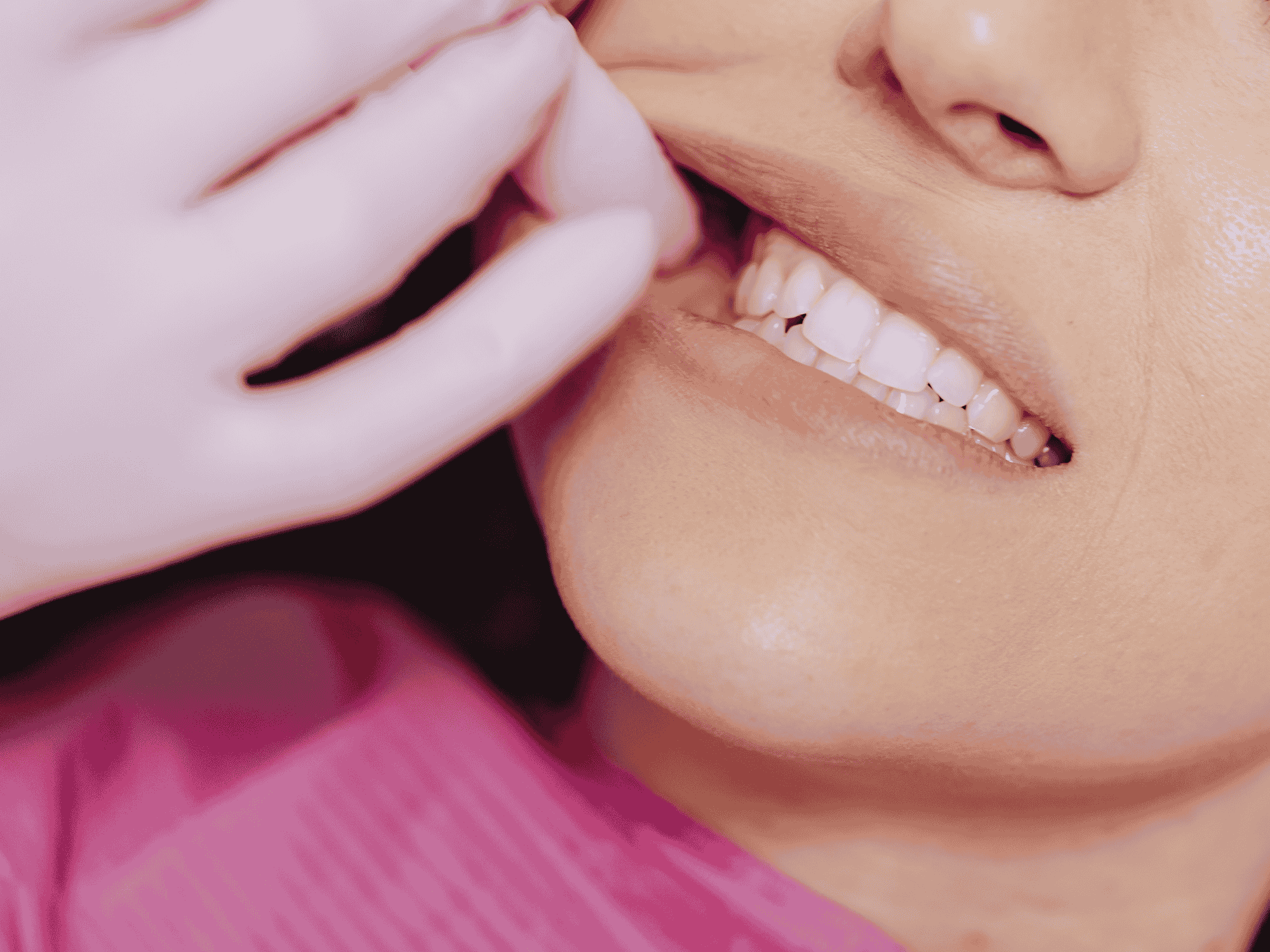
Your Bite Is Not Always the Same Throughout Your Life
Your bite is simply the way your upper and lower teeth fit together. When everything lines up comfortably, it's probably not something you think about much. But your teeth and the structures around them can change throughout your life. Some changes happen so slowly you barely notice them, while others become obvious after dental work, losing a tooth, an injury, or a change in your oral health. Understanding bite alignment changes can help you recognize when a difference in how your teeth fit together might need a closer look from your dentist.
Teeth Can Naturally Shift With Age
Many people are surprised to learn that teeth aren't locked in the same spot forever. Your teeth sit in living bones that slowly change over time, and everyday forces like chewing can cause small movements over the years. Some people start to notice crowding in their lower front teeth, while others see small gaps forming or slight changes in how their teeth line up. These shifts can happen even if you've always had straight teeth or had braces when you were younger.
Tooth Loss Can Affect Your Bite
A missing tooth can cause problems that go beyond the empty space. When a tooth is lost and not replaced, the teeth next to it can slowly tilt or drift toward the gap. The tooth directly above or below the space can also start to move into the opening, since it no longer has a tooth to meet when you bite down. Over time, all of this movement can change how your upper and lower teeth come together when you chew.
Teeth Grinding and Clenching
Grinding and clenching put a lot of repeated pressure on your teeth. Over time, that extra force can wear down tooth enamel, cause cracks, or damage fillings, crowns, and other dental work. As the chewing surfaces wear down, the way your teeth meet can gradually change. If you wake up with a sore jaw, get frequent headaches, or notice your teeth looking worn or flat, it's a good idea to bring it up with your dentist.
Gum Disease Can Affect Tooth Position
Healthy gums and bones are what hold your teeth firmly in place. Advanced gum disease, also called periodontal disease, can damage the gums and bone that support your teeth. As that support weakens, teeth can become loose or start to shift. New gaps between your teeth, teeth that seem to be moving, or a bite that suddenly feels different can all be signs that it's time for a dental evaluation. Treating gum disease early is one of the best ways to protect both your oral health and the stability of your teeth.
Changes After Orthodontic Treatment
Braces and clear aligners can move your teeth into a better position, but teeth can slowly drift back if you don't wear your retainer as directed. That's why retainers are such an important part of orthodontic care, and many orthodontists now recommend wearing one at night long-term. If your retainer starts to feel tight or doesn't fit the way it used to, contact your dentist or orthodontist instead of forcing it into place.
Dental Restorations and Bite Changes
Fillings, crowns, bridges, and other restorations are designed to bring back the shape and function of your teeth. Every once in a while, though, a new restoration may feel a little too high or make one tooth hit before the others when you bite down. If your bite feels uneven after a dental procedure, let your dentist know. A quick adjustment can usually make it more comfortable and help the restoration work the way it should.
Jaw Changes and Other Contributing Factors
Your bite isn't just about your teeth. Your jaw joints, muscles, and the tissues around them also affect how your bite feels. Temporomandibular joint disorders, often called TMJ or TMD, along with muscle tension, injuries, and certain changes in the jaw bone, can cause discomfort or change the way your jaw moves. Since many of these issues share similar symptoms, a dental exam is the best way to figure out what's really going on.
Signs Your Bite May Be Changing
Some bite alignment changes are subtle, while others are easier to spot. You might notice that your teeth don't meet the way they used to, that new crowding or gaps have appeared, or that you feel uneven pressure when you chew. Other signs include one tooth hitting before the others, a retainer that no longer fits right, teeth that look more worn or feel more sensitive, or jaw discomfort when biting or chewing. These changes don't always mean something serious is wrong, but if they stick around, it's worth having them checked.
Can Bite Changes Be Treated?
Yes, and the right treatment depends on what's causing the change. Some patients may benefit from orthodontic treatment, while others may need restorative dental work, gum disease treatment, a replacement for a missing tooth, or help managing grinding and clenching. In some cases, if the changes are minor and aren't affecting your oral health or how your teeth work, your dentist may simply keep an eye on things. Either way, the first step is finding out the cause.
Why Regular Dental Exams Matter
Bite changes often happen so slowly that you may not notice them right away. During routine checkups, your dentist can look at tooth wear, alignment, gum health, existing dental work, and how your teeth come together. Catching problems early can help prevent further damage and may keep you from needing more involved treatment later.
Pay Attention to Changes in Your Bite
Your teeth and jaw work together every single day, so changes in your bite can affect more than just how your smile looks. Knowing the signs of bite alignment changes and paying attention when something feels different can help you stay ahead of problems. At Rabalais Dental Centre in Bossier City, we provide comprehensive dental care for patients throughout the Shreveport-Bossier area. If you've noticed a change in how your teeth fit together, contact Rabalais Dental Centre to learn more about our services or to schedule an appointment.
Sources:
American Association of Orthodontists, 4 Ways Your Smile Changes as You Age: https://aaoinfo.org/whats-trending/4-ways-your-smile-changes-as-you-age
Cleveland Clinic, Restorative Dentistry: https://my.clevelandclinic.org/health/articles/dental-restorations
